The Hidden Dangers of Ignoring Hazardous Properties and Our Commitment to Safe Remediation

When a property becomes affected by drugs or hazardous materials, the risks extend far beyond the visible damage. Ignoring these dangers can lead to serious health problems, legal issues, and financial losses. At Zero Trace, we understand the urgency and complexity of cleaning and remediating these properties to meet state and federal safety standards. Our goal is to restore safety and peace of mind so families can once again enjoy their homes without worry.
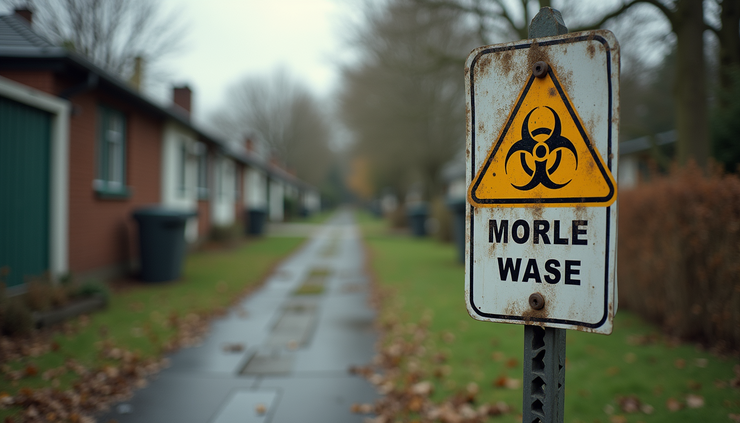
Contaminated property showing hazardous waste signs and contamination
Why Ignoring Hazardous Properties Is Risky
Properties affected by drug manufacturing or hazardous materials pose hidden dangers that worsen over time. Many property owners underestimate these risks or hope the problem will resolve itself. This approach can lead to:
Health hazards: Toxic chemicals, drug residues, and biohazards can cause respiratory problems, skin irritation, neurological damage, and long-term illnesses.
Environmental damage: Hazardous substances can seep into soil and groundwater, affecting local ecosystems and community water supplies.
Legal consequences: Property owners may face fines, lawsuits, or forced remediation orders if they fail to address contamination.
Financial loss: Property values drop significantly, and selling or insuring contaminated properties becomes difficult or impossible.
Safety risks: Residual chemicals can cause fires, explosions, or accidental poisonings, especially for children and pets.
Ignoring these dangers puts families and communities at risk. It also complicates cleanup efforts, making remediation more expensive and time-consuming.
Common Sources of Property Contamination
Understanding where contamination comes from helps highlight why prompt action is essential. Some common sources include:
Methamphetamine labs: These produce toxic chemicals like anhydrous ammonia, hydrochloric acid, and solvents that linger in walls, floors, and ventilation systems.
Illegal drug use: Residues from smoking or manufacturing drugs can contaminate surfaces and air quality.
Hazardous waste dumping: Improper disposal of chemicals or biohazards leads to soil and water contamination.
Industrial accidents: Spills or leaks from factories or storage facilities can affect nearby homes.
Mold and asbestos: While not drug-related, these hazardous materials often coexist in neglected properties and require specialized cleanup.
Each source demands specific remediation techniques to ensure complete safety.
The Importance of Professional Remediation
Cleaning a hazardous property is not a simple task. It requires expertise, specialized equipment, and strict adherence to regulations. Attempting DIY cleanup or hiring unqualified contractors can leave dangerous residues behind or cause further contamination.
At Zero Trace, we follow comprehensive protocols that include:
Thorough assessment: Identifying all contamination types and affected areas through testing and inspection.
Containment: Preventing the spread of hazardous materials during cleanup.
Removal and disposal: Safely extracting chemicals, residues, and contaminated materials according to environmental laws.
Decontamination: Using advanced cleaning agents and techniques to neutralize toxins.
Restoration: Repairing structural damage and restoring the property to a safe, livable condition.
Certification: Providing documentation that the property meets state and federal safety standards.
Our trained technicians stay updated on the latest regulations and best practices to ensure effective remediation.
Real-Life Examples of Property Remediation
Consider a family who unknowingly purchased a home previously used as a meth lab. Soon after moving in, they experienced unexplained health issues and noticed a strong chemical odor. They contacted Zero Trace, and our team conducted a detailed inspection. We found high levels of toxic residues in walls and HVAC systems.
After a full remediation process, including removal of contaminated drywall and air purification, the home passed all safety tests. The family was able to live there safely, free from health risks.
In another case, a rental property was abandoned after illegal drug manufacturing was discovered. The landlord faced legal pressure to clean the site. Zero Trace worked quickly to contain and remove hazardous waste, restoring the property’s value and making it rentable again.
These examples show how professional remediation protects health, property value, and legal standing.
How Zero Trace Supports Safe Communities
Our commitment goes beyond individual properties. We aim to protect neighborhoods and communities by:
Educating property owners about the risks of hazardous contamination.
Offering fast response services to minimize exposure time.
Collaborating with local authorities to ensure compliance and safety.
Providing transparent reports and guidance for future property use.
We believe every family deserves a safe home environment. Our work helps prevent the spread of contamination and promotes healthier living spaces.
What Property Owners Should Do If They Suspect Contamination
If you suspect your property is affected by drugs or hazardous materials, take these steps immediately:
Avoid disturbing the area: Do not attempt to clean or remove materials yourself.
Limit access: Keep children, pets, and visitors away from the property.
Contact professionals: Reach out to certified remediation experts like Zero Trace for inspection and cleanup.
Notify authorities if required: Some contamination cases must be reported to local health or environmental agencies.
Keep records: Document any findings, communications, and remediation work for legal and insurance purposes.
Early action reduces health risks and cleanup costs.


Comments